

Jazz Record Digging Guide: Essential Lofi Sampling Technique

Jazz record digging has become the cornerstone of authentic lofi hip hop production. As a bedroom producer who’s spent countless hours flipping through dusty crates, I can tell you that finding the perfect jazz sample is both an art and a science. Honestly, those moments when you discover a hidden gem buried between forgotten albums? Pure magic. The techniques I’ve developed over years of lofi beat creation have completely transformed how I approach vinyl sampling guide strategies.
This comprehensive guide will teach you everything about jazz record digging specifically for lofi sampling techniques. You’ll learn how to identify sample-worthy moments in those dusty bins. We’ll dive into different jazz subgenres and their sampling potential. Plus, I’ll share field-tested methods for discovering affordable gems that won’t break your producer budget. We’ll also explore specific examples from classic lofi tracks and their jazz sources — the kind of detective work that makes crate digging lofi adventures so rewarding.
Before we jump in, you’ll need some basic sampling equipment and Logic Pro for processing your finds. A good pair of headphones is essential (trust me on this one). A portable recorder will prove invaluable during your record store adventures. But honestly? The most important tool is your ears and patience.
1. Understanding Jazz Subgenres for Lofi Sampling
Affiliate Disclosure: This article contains affiliate links. If you make a purchase through these links, we may earn a commission at no extra cost to you. This helps support Widen Island and allows us to keep creating content.
Different jazz subgenres offer unique sampling opportunities for lofi producers. However, not all jazz records are created equal when it comes to finding those perfect lofi moments. I’ve learned this the hard way after buying dozens of records that looked promising but delivered nothing usable. Understanding the characteristics of each subgenre will dramatically improve your jazz record digging success rate.
Hard bop from the 1950s and 1960s provides the most sample-friendly material, hands down. Artists like Art Blakey, Horace Silver, and Clifford Brown created tracks with clear drum breaks and memorable melodic phrases. These records often feature the walking basslines and crisp snare hits that define classic lofi hip hop aesthetics. The energy is perfect — not too chaotic, not too sleepy.

Cool jazz offers smoother textures perfect for those laid-back lofi vibes. Miles Davis’s “Birth of the Cool” sessions and Chet Baker’s trumpet work provide ethereal melodic content that just floats over your beats. The subdued dynamics of cool jazz translate beautifully when processed through tape saturation plugins. Add some lo-fi filtering techniques and you’ve got instant atmosphere.
Modal Jazz: The Hidden Goldmine
Modal jazz from the late 1950s through 1960s contains some of the most atmospheric samples you’ll ever find. John Coltrane’s “A Love Supreme” and Bill Evans Trio recordings offer rich harmonic content that adds sophistication to any lofi track. The extended improvisations provide lengthy sections perfect for looping and chopping. You can find 30-second passages that loop seamlessly — pure gold for producers.
Free jazz might seem chaotic at first listen, but it contains incredible textural elements. Ornette Coleman and Albert Ayler recordings provide unique percussion sounds and atmospheric passages. These elements work exceptionally well as background textures in modern lofi compositions. Sometimes the “mistakes” and unconventional sounds become the most interesting parts of your beat.

2. Essential Jazz Record Digging Techniques
Successful jazz record digging requires systematic approaches and keen listening skills. After years of searching through countless record stores, I’ve developed specific techniques that consistently yield sample-worthy material. These methods will transform your crate digging lofi sessions from random browsing to targeted hunting. No more wandering aimlessly through record stores hoping to stumble across something good.
Start by examining the record label and catalog number before you even pull the record out. Blue Note, Prestige, and Riverside Records from the 1950s-1960s consistently deliver high-quality jazz samples. But don’t overlook smaller labels like Pacific Jazz or Contemporary Records. These often house hidden gems at significantly lower prices than the big-name releases.
The album cover artwork provides valuable clues about the music inside. Reid Miles’s iconic Blue Note designs often indicate classic hard bop sessions with that perfect combination of sophistication and groove. The photography style and typography can reveal the era and likely jazz subgenre before you even listen. It’s like having a roadmap to the music inside.
Reading the Fine Print
Personnel listings on album covers reveal crucial information for sampling success. Look for records featuring legendary drummers like Art Blakey, Max Roach, or Philly Joe Jones. These musicians created the drum patterns that form the backbone of countless lofi tracks. When you see these names, you know you’re dealing with rhythm section masters.
Producer credits also matter significantly in jazz record digging. Alfred Lion and Francis Wolff at Blue Note Records consistently documented exceptional performances with crystal-clear recording quality. Bob Weinstock at Prestige Records captured raw, energetic sessions perfect for hip-hop sampling. These producers understood how to capture the magic of live jazz performance.
3. Identifying Sample-Worthy Moments in Jazz Records
Recognizing sample potential requires trained ears and understanding of lofi hip hop construction. The best jazz samples often come from unexpected moments rather than obvious melodic themes. I’ve found incredible samples in the spaces between songs, during instrument solos, or in those quiet transitional moments. Learning to identify these subtle gems separates successful producers from casual diggers.
Drum breaks typically occur during solos or between composed sections. Listen for moments where the rhythm section plays alone, especially during piano or horn solos. These isolated drum patterns provide clean material for chopping and looping in your lofi productions. The cleaner the isolation, the more flexibility you have in processing.
Melodic fragments work better than complete phrases for sampling purposes. A two or three-note piano motif often creates more compelling loops than full melodic statements. These shorter phrases leave room for your own creative interpretation and arrangement. Plus, they’re easier to clear legally if you ever go commercial with your tracks.
The Magic of Intros and Outros
Jazz record intros and outros contain some of the most sample-friendly material you’ll encounter. These sections often feature solo instruments or sparse arrangements perfect for looping without overwhelming complexity. The dynamics are usually more controlled, making them easier to process in Logic Pro. I’ve built entire beats around a 4-bar intro section.
Bass walks and walking basslines provide excellent rhythmic foundations for lofi tracks. Look for records where the bass is prominently recorded and clearly audible in the mix. These patterns, when slowed down and processed through vintage-style plugins, create that classic lofi hip hop groove. The organic timing variations add human feel that programmed basslines often lack.
Ambient moments between songs or during recording breaks offer unique textural elements. Studio chatter, instrument tuning, and room tone add authenticity to lofi productions. As Bedroom Producers Blog recently noted, these “imperfect” moments often become the most memorable parts of lofi tracks. They connect listeners to the original recording session.
4. Field-Tested Record Store Strategies
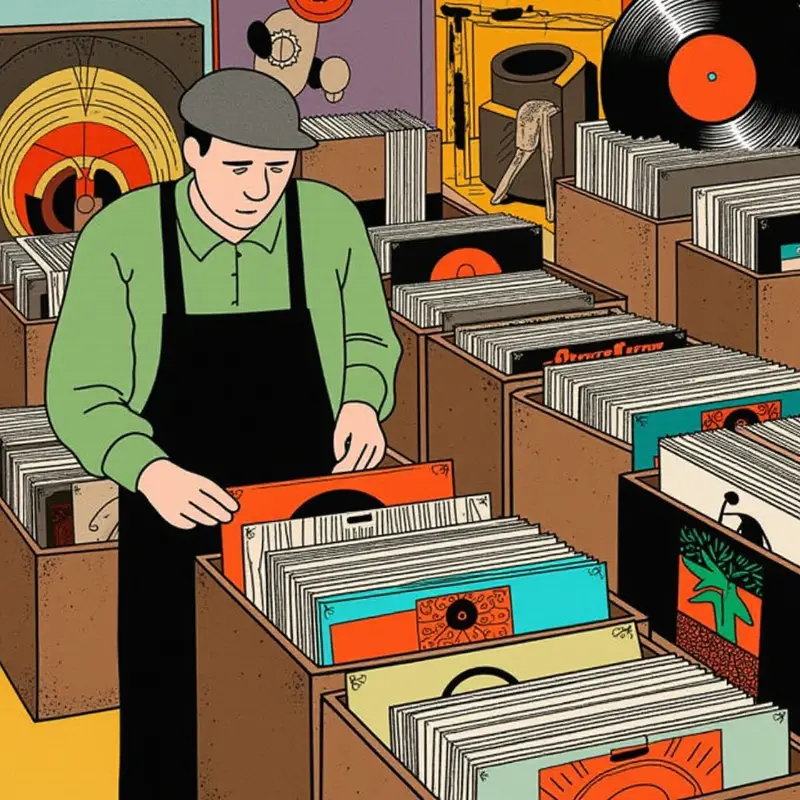
Successful record store hunting requires strategic planning and relationship building. Independent record stores often hold the best jazz collections, but knowing how to navigate them efficiently saves time and money. I’ve developed these strategies through countless hours of digging, and they consistently produce results. The key is working smarter, not just harder.
Visit stores during weekday afternoons when foot traffic is lighter. Store employees have more time to discuss inventory and share knowledge about recent arrivals. You’ll have better access to listening stations and more space to examine records properly. Plus, you can actually hear the music without competing with weekend crowds.
Build relationships with store owners and staff members — this is crucial for long-term success. They often reserve interesting arrivals for regular customers and provide advance notice of estate sale acquisitions. Establishing these connections leads to better prices and access to backroom inventory. Some of my best finds came from building these relationships over time.
Budget-Conscious Digging Techniques
Focus on reissue records for affordable sampling material without sacrificing quality. Original Blue Note pressings cost hundreds of dollars, but Liberty and United Artists reissues from the 1970s contain identical performances. These reissues provide excellent source material for lofi sampling techniques at a fraction of the collector price. The music is what matters, not the pressing date.
Condition matters less for sampling than for collecting purposes. Records with surface noise or minor scratches often cost significantly less while still providing usable samples. The natural imperfections add character that complements lofi aesthetics perfectly. Sometimes a little crackle is exactly what your beat needs.

Check the dollar bins and clearance sections regularly — you’d be amazed what ends up there. Jazz records often land in these areas due to lack of mainstream appeal. However, these overlooked gems frequently contain sample gold waiting to be discovered. I’ve found incredible records for $2 that would cost $50 in the main jazz section.
5. Estate Sales and Flea Market Jazz Record Digging
Estate sales represent the ultimate opportunity for discovering rare jazz records at reasonable prices. These events often feature collections assembled over decades, containing records that rarely appear in commercial stores. The original owners were usually serious jazz fans who curated their collections carefully. Developing estate sale strategies becomes crucial for serious jazz record digging success.
Arrive early but not first at estate sales — this might sound counterintuitive, but hear me out. The first buyers often grab obvious valuable items and move on quickly. Patient diggers find overlooked treasures in less obvious locations after the initial rush. Check bedroom closets, basement storage, and garage areas where records might be stored away from the main sale area.
Bring a portable record player or smartphone app for quick condition checking. Many estate sale records haven’t been played in years, making visual inspection insufficient for determining actual playability. Test pressing quality helps determine if surface noise will interfere with sampling applications. A $5 record that sounds terrible isn’t a bargain.
Negotiation Strategies That Work
Bundle purchasing often yields better prices at estate sales than buying individual records. Rather than cherry-picking single albums, offer to purchase entire jazz collections at bulk rates. This approach benefits sellers who want to clear inventory quickly while providing you with comprehensive sampling libraries. Everyone wins in these situations.
Research completed sales on Discogs before attending estate sales to understand current market values. Knowing these prices helps identify genuine bargains and avoid overpaying for common releases. Remember that sampling value differs from collector value — a beat-up record might be perfect for your needs.
Flea markets require different approaches than estate sales due to their more casual atmosphere. Vendors often lack specific jazz knowledge, creating opportunities for informed buyers to spot underpriced gems. The outdoor environment and relaxed setting make negotiation more acceptable and often successful. Cash talks at flea markets.
6. Classic Lofi Tracks and Their Jazz Sources
Understanding the connection between famous lofi tracks and their jazz sources provides invaluable insight into effective sampling techniques. These examples demonstrate how skilled producers transform jazz materials into compelling hip-hop compositions. Studying these samples reveals patterns that improve your own jazz record digging success. It’s like reverse engineering the masters.
J Dilla’s “Lightworks” samples Ahmad Jamal’s “Swahililand,” showcasing how percussive piano playing translates perfectly to lofi hip hop. The original recording’s crisp dynamics and clear separation make it ideal for chopping and rearranging. Jamal’s rhythmic approach complements hip-hop sensibilities naturally. This track demonstrates the power of finding jazz that already thinks rhythmically.
Nujabes frequently sampled Japanese jazz records, but his use of American jazz like Luiz Bonfá’s “Seville” demonstrates cross-cultural sampling approaches. These selections show how bossa nova and cool jazz elements enhance lofi productions with sophisticated harmonic content. The relaxed rhythmic feels create perfect foundations for introspective beats.
Modern Lofi Sampling Innovations
Contemporary lofi producers like those featured in our 2026 lofi labels guide continue pushing sampling boundaries beyond traditional approaches. They’re discovering jazz records from Eastern European and South American sources, expanding beyond traditional American jazz catalogs. These global approaches reveal untapped sampling territories with fresh sounds and perspectives.
The rise of jazz fusion from the 1970s offers new sampling opportunities for adventurous producers. Records by Weather Report, Return to Forever, and Mahavishnu Orchestra contain rhythmic complexity and electronic textures. These elements complement modern lofi production techniques beautifully. However, these records require different processing approaches than traditional acoustic jazz due to their electric instrumentation.

7. Processing Jazz Samples in Logic Pro
Transforming raw jazz samples into lofi gold requires specific Logic Pro techniques and carefully constructed processing chains. The goal is enhancing the vintage character while maintaining musical integrity and emotional impact. These proven methods will help you achieve professional-sounding results from your jazz record digging discoveries. Think of it as digital archaeology — you’re uncovering the hidden potential in these recordings.
Start with Logic Pro’s Vintage EQ plugin to shape the frequency content thoughtfully. Roll off high frequencies above 8kHz to reduce digital harshness and emphasize the warm midrange. Gentle low-frequency cuts around 40Hz remove unnecessary rumble while preserving essential bass content. This creates the foundation for that vintage lofi sound.
The Tape plugin provides essential vintage character for jazz samples — it’s honestly one of my favorite tools. Use the 15 IPS setting for warmer, more compressed tones that complement lofi aesthetics perfectly. Subtle wow and flutter settings add organic movement that makes static loops feel more alive and musical. It’s like adding the imperfections that make music human.
Creative Sampling Techniques
Logic Pro’s Sculpture plugin offers unique possibilities for processing jazz samples beyond traditional approaches. The string and mallet models can transform melodic content into entirely new textures and timbres. These techniques, combined with traditional sampling approaches, create distinctive sounds that set your productions apart. Experimentation is key here.
Time-stretching jazz samples requires careful attention to preserve musical quality and natural feel. Logic Pro’s Flex Time algorithms work well for moderate tempo changes up to about 20%. Extreme alterations benefit from manual chopping and rearrangement instead. This approach maintains the natural feel of the original performance while adapting it to your creative vision.
Many producers in our bedroom producer productivity guide emphasize the importance of subtle processing over heavy manipulation. Over-processing jazz samples can destroy their inherent musicality and emotional impact completely. Restraint often produces better results than heavy-handed manipulation — let the original performance shine through your processing.
8. Building Your Jazz Sample Library
Organizing your jazz sample discoveries ensures long-term creative productivity and efficient workflow development. A well-structured sample library becomes increasingly valuable as your collection grows over months and years. Proper organization saves countless hours during the creative process and prevents duplicate purchases during future jazz record digging sessions. Trust me, you’ll thank yourself later for taking time to organize properly from the start.
Create folder hierarchies based on jazz subgenres, tempos, and instrumental content for maximum efficiency. Separate drum breaks, melodic phrases, and textural elements into distinct categories within each subgenre folder. Include metadata like original artist, album, and year to maintain proper attribution. This information becomes crucial for legal clearances if your tracks gain commercial success.
Document the processing chain used for each sample to maintain consistency across projects. Note EQ settings, compression ratios, and effect parameters in your sample database or file names. This documentation proves invaluable when recreating similar sounds or developing signature production techniques. It’s like keeping a recipe book for your favorite sounds.
Quality Control Standards
Establish minimum quality standards for your sample library to avoid cluttering it with unusable material. Set criteria for audio quality, musical content, and creative potential before importing samples into your main library. Regular library maintenance prevents accumulation of mediocre content that slows down creative workflows. Be selective — quality over quantity always wins.
Back up your sample library using multiple methods and locations to protect your investment. Cloud storage, external drives, and local backups protect against data loss from hardware failures. Consider sharing selected samples with other producers through collaborative platforms, following proper copyright and attribution guidelines. Building community connections often leads to sample trades and collaborative opportunities.
9. Legal Considerations for Jazz Sampling
Understanding copyright implications ensures your sampling practices remain legally sound and commercially viable. Jazz recordings involve complex rights ownership including performance, composition, and mechanical rights from multiple parties. Developing awareness of these legal frameworks protects your creative work and future opportunities. I know it’s not the fun part, but it’s absolutely essential for serious producers.
Pre-1923 jazz recordings exist in the public domain, making them safe for unlimited sampling without clearance requirements. Most classic jazz records from the 1950s-1960s remain under copyright protection until 2067-2082. Commercial releases requiring sample clearances involve significant costs and complex negotiations with multiple rights holders. The expenses can easily exceed thousands of dollars per sample.
Fair use provisions provide limited protection for transformative sampling practices in educational or artistic contexts. Educational use, criticism, and parody receive stronger legal protection than commercial applications. Relying on fair use defenses involves legal risks that many producers and labels prefer to avoid entirely. When in doubt, seek proper clearances or use public domain material.
Practical Clearance Strategies
Contact record labels directly for sample clearance inquiries rather than working through expensive intermediaries. Many jazz labels maintain catalogs of clearance-friendly recordings with pre-negotiated rates for independent producers. Smaller labels often prove more flexible and affordable than major corporations. Building relationships with label representatives can lead to better deals over time.
Consider using interpolations instead of direct samples for commercial releases to avoid mechanical rights issues. Re-recording jazz melodies and chord progressions with live musicians avoids sampling complications entirely. This approach, while more expensive initially, provides complete creative control and eliminates ongoing royalty obligations. It also allows for more creative interpretation of the source material.
As MusicRadar recently reported, many contemporary artists are exploring creative ways to honor jazz influences. They’re developing original compositions inspired by jazz rather than directly sampling. This trend reflects growing awareness of both legal complexities and artistic integrity in modern music production.
10. Advanced Jazz Record Digging Tips
Experienced jazz record digging requires sophisticated strategies that go beyond basic crate searching techniques. These advanced approaches separate casual samplers from dedicated professionals who consistently discover exceptional material. Mastering these methods leads to unique finds that provide competitive advantages in the crowded lofi hip hop market. It’s about developing an expert’s eye and ear for hidden gems.
Research session musician discographies to identify overlooked recordings featuring legendary performers in supporting roles. Many classic jazz musicians appeared on obscure albums that receive little collector attention. These records often cost significantly less than their more famous counterparts while containing equally excellent sampling material. The sideman albums often feature more relaxed, experimental performances perfect for sampling.
Explore international jazz scenes for unique sampling opportunities beyond the American canon. European jazz from labels like ECM and Black Saint offers different aesthetic approaches than American recordings. Japanese jazz fusion and Brazilian bossa nova provide fresh perspectives that distinguish your productions. These global sounds help your beats stand out from typical lofi templates.
Networking with Other Collectors
Join online communities and local collector groups to share knowledge and trading opportunities. Fellow diggers often possess duplicates they’re willing to trade or sell at reasonable prices. Collaborative relationships lead to group purchases of expensive collections and shared research efforts. The jazz collecting community is surprisingly generous with knowledge and resources.
Attend jazz festivals and concerts to network with musicians and industry professionals directly. These events provide opportunities to learn about rare recordings and upcoming reissue projects from the source. Musicians often possess personal collections they’re willing to discuss or occasionally sell. Building these connections opens doors to exclusive material and insider knowledge.
The techniques covered in this guide, combined with insights from our vintage equipment guides, will transform your approach to jazz sampling completely. Remember that successful jazz record digging requires patience, persistence, and continuous learning throughout your journey. The rewards of discovering perfect samples make every hour of searching worthwhile. Your beats will thank you for the effort.
Troubleshooting Common Jazz Record Digging Challenges
Even experienced producers encounter obstacles during jazz record digging expeditions that can frustrate sampling efforts. Surface noise, warped records, and incomplete information create common roadblocks for diggers. Understanding solutions to these problems ensures productive sessions and better results. I’ve dealt with all of these issues countless times, so let me share what actually works.
Surface noise often enhances lofi aesthetics, but excessive crackling can overwhelm musical content completely. Logic Pro’s DeNoise plugin effectively reduces problematic noise while preserving character and warmth. Gentle high-frequency filtering removes harsh digital artifacts without destroying vintage warmth. Sometimes embracing the imperfections works better than fighting them.
Warped records create pitch fluctuations that can be either problematic or creative opportunities depending on severity. Slight warping adds organic movement to samples that can enhance the human feel. Severe warping requires digital correction or creative acceptance as part of the aesthetic. Some producers deliberately seek warped records for their unique sonic characteristics and vintage vibe.
Dealing with Incomplete Information
Missing or damaged album covers make identification challenging but not impossible for determined diggers. Use smartphone apps like Discogs or Shazam to identify unknown recordings through audio recognition. Online jazz databases provide personnel and recording date information when album credits are unavailable. Building knowledge of label catalog numbers helps identify releases even without covers.
Damaged records with playable sections can still provide valuable samples despite overall poor condition. Focus on finding usable segments rather than expecting perfect playback throughout the entire album. Sometimes the best samples come from the least damaged portions of otherwise unplayable records. Creative sampling can work around physical limitations of the source material.
Frequently Asked Questions
What is the best jazz record digging technique for beginners?
Start with Blue Note and Prestige Records reissues from the 1970s for the most accessible entry point. These labels consistently produced sample-friendly material with excellent recording quality. Reissues cost significantly less than original pressings while containing identical performances. Focus on hard bop recordings from 1955-1965 for the most immediately usable sampling content that translates well to lofi hip hop.
How much should I budget for jazz record digging sessions?
Budget $50-100 per digging session for productive results without breaking the bank. This amount allows purchase of 5-10 reissue records or 2-3 original pressings depending on condition and rarity. Consistent monthly spending builds substantial sample libraries over time without creating financial strain. Remember that quality matters more than quantity in building your collection.
Which jazz subgenres work best for lofi hip hop sampling?
There is no secret best recipe, really, everything can be inspiring. That being said, Hard bop and cool jazz provide the most sample-friendly material for lofi hip hop production. Hard bop offers clear drum breaks and memorable melodies with perfect energy levels. Cool jazz provides atmospheric textures and sophisticated harmonies ideal for background elements. Modal jazz also works exceptionally well for extended atmospheric passages and textural layering in modern lofi compositions.
How do I identify valuable jazz records while digging?
Look for specific label names like Blue Note, Prestige, and Riverside from the 1950s-1960s golden era. Check personnel listings for legendary musicians like Art Blakey, John Coltrane, and Miles Davis. Examine pressing information to distinguish valuable original releases from common reissues. The catalog numbers and matrix information provide clues about pressing quality and potential value for both collecting and sampling purposes.
Can I legally sample jazz records for commercial releases?
Most jazz recordings require sample clearance for commercial use due to ongoing copyright protection. Pre-1923 recordings exist in public domain and can be sampled freely without clearance requirements. Classic jazz from the 1950s-1960s remains under copyright protection until 2067-2082. Contact record labels directly for clearance information, or consider using interpolations instead of direct samples to avoid legal complications entirely.
Jazz record digging represents both an art form and a practical skill essential for authentic lofi hip hop production. The techniques outlined in this comprehensive guide provide the foundation for discovering, processing, and utilizing jazz samples effectively in your productions. Remember that patience and persistence yield the best results in this rewarding pursuit — the perfect sample is worth waiting for.
Your journey into jazz record digging will evolve continuously as you develop personal preferences and refine your techniques. Personally, I believe that you need to find your own creative way within these jazz digging methods. I do believe that there is plenty of room for creativity and manipulating each sample. What if you take something and make it completely different? Then your sample becomes unique, and that’s how I like to look at it. I honestly do not put any limitation to what I sample, but if it’s something really, really famous, then I really try to work it out and tweak it as much as I can! Find your own true method!
Thank you for reading this one, homies! <3
/Edwin


